

Beyond forest floor: Why Nigeria must invest in fungi research, cultivation, value addition
A new frontier for food security, livelihoods, sustainable development

By Chi Tola Roberts
Nigeria stands at a critical crossroads. With rising food prices, unemployment, malnutrition and growing pressure on rural livelihoods, the country must explore innovative ways to strengthen food security, create jobs and diversify its economy. One promising but underexplored opportunity lies in fungi research, cultivation and value addition.
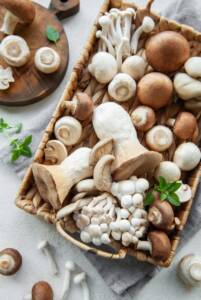
Often overlooked, fungi offer significant opportunities in agriculture, nutrition, scientific research, environmental sustainability and enterprise development. From edible mushrooms to fungi with potential medicinal and industrial applications, this natural resource deserves a strategic place in Nigeria’s development agenda.
Mushrooms: An opportunity for food security
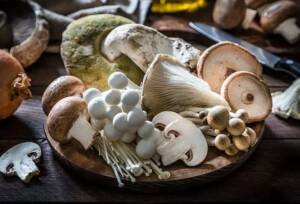
Edible mushrooms are nutritious foods that can provide protein, fibre, B vitamins and minerals, depending on the species. They can complement local diets and contribute to greater food diversity, particularly among households struggling to afford nutritious meals.
Unlike many conventional crops, mushrooms can be cultivated in relatively small spaces, using suitable agricultural residues such as cereal straw and certain types of sawdust. With appropriate techniques, materials that might otherwise be discarded can become valuable inputs for food production.
Government investment in research, quality spawn production, farmer training and public education could help make mushroom cultivation a viable agricultural enterprise. Expanding local production would also encourage consumers to explore mushrooms as part of a balanced diet.
Fungi research and medicinal potential
The importance of fungi extends beyond food. Globally, fungi are studied for their potential applications in medicine, biotechnology, agriculture and environmental management. Certain fungal compounds have contributed to the development of important medicines, while medicinal mushrooms continue to attract scientific interest.
Nigeria must strengthen its capacity to investigate indigenous fungal resources, study their properties, assess their safety and explore their potential applications.
Universities, research institutes, teaching hospitals and pharmaceutical researchers should collaborate to advance this field. Investment in laboratories, training and scientific partnerships could generate new knowledge, support innovation and create opportunities for Nigerian scientists.
However, medicinal claims must be supported by credible scientific evidence. Mushroom products should not be promoted as cures or substitutes for established medical treatment without appropriate proof.
Nigeria should move beyond importing knowledge and products to building its own capacity for fungi research, innovation and commercial development.
Creating livelihoods in rural communities and camps
Mushroom cultivation could offer new livelihood opportunities for rural households, women, young people and residents of internally displaced persons’ camps.
In suitable locations, small-scale cultivation can be established with limited space and appropriate locally available materials. With proper training and technical support, participants can learn production, harvesting, processing, packaging and marketing.
For displaced communities, such initiatives could complement humanitarian assistance by equipping people with practical skills and opportunities to earn income. In rural areas, mushroom enterprises could diversify household earnings and create additional opportunities beyond conventional farming.
The benefits extend across the value chain. Spawn production, equipment supply, processing, transportation, packaging and distribution can all support small businesses and employment.
However, successful programmes must be built around local feasibility, reliable inputs, hygiene, technical guidance and access to markets. Training without continued support or a clear route to customers is unlikely to deliver sustainable results.
Value addition: Building an industry, not just growing Mushrooms
Fresh mushrooms are perishable, making processing and storage essential to reducing post-harvest losses.
Through appropriate technologies, mushrooms can be transformed into dried products, powders, soups, seasonings and other food ingredients. These products can serve households, restaurants and food-processing businesses while creating additional income opportunities.
Nigeria should encourage entrepreneurs to develop safe, quality products that reflect local tastes and cooking traditions. Investment in processing equipment, packaging, food-safety compliance and market development would help transform mushroom cultivation into a more competitive industry.
Research into other fungal applications, including biotechnology and environmental management, could further expand the sector’s economic potential.
What Nigeria must do
To harness these opportunities, Nigeria should:
– Invest in research: Support universities and research institutions working on fungal biodiversity, cultivation, food safety and medicinal applications.
– Train farmers and entrepreneurs: Include mushroom cultivation and processing in relevant agricultural extension programmes.
– Support vulnerable communities: Establish carefully designed pilot projects in selected rural areas and displacement-affected communities.
– Promote value addition: Improve access to processing equipment, financing, packaging and markets.
– Strengthen standards: Ensure appropriate quality controls, consumer protection and responsible communication about medicinal products.
– Build partnerships: Connect government, research institutions, private investors, humanitarian agencies and community organisations.
These measures should be introduced through practical pilot projects, assessed against clear outcomes and expanded where they demonstrate measurable benefits.
The time to act is now
Fungi should not be viewed merely as organisms found in forests or as occasional ingredients on our dining tables. They represent an opportunity to connect agriculture, science, manufacturing and community development.
Nigeria does not need to abandon conventional agriculture. It needs to strengthen it through diversification, research and innovation.
With deliberate investment, edible mushroom cultivation could contribute to food security, while fungi research could open new scientific and commercial possibilities. Value addition could create businesses, and well-designed livelihood programmes could help rural and displaced populations build greater economic independence.
The future of food will not be determined by what we grow alone, but by how intelligently we preserve it, transform it and unlock its full potential.
Nigeria must invest in fungi research, cultivation and value addition—not as a passing agricultural trend, but as a strategic opportunity to create jobs, strengthen communities and expand our scientific capabilities.
The opportunity is real. The responsibility is ours. And the time to begin is now.
Tola Roberts; Founder, Mushroom Research & Development Foundation; CEO – Chitola Farms/Chiti Foods




Coffie pays tribute to Francis Duru, Uduaghan, urges politicians to leave good legacies
Tony Okon, Uyo Peoples Democratic Party (PDP) governorship can…