

Okei launches drive for Nkonyeasua Ika cultural village in South Carolina

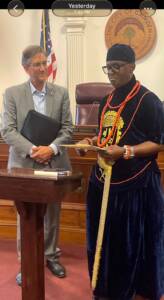
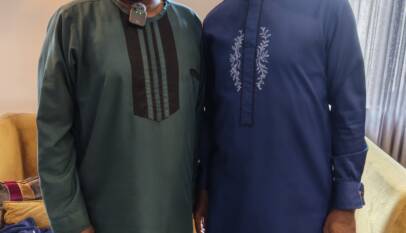
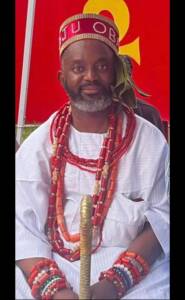 Honorable Mayor of Camden, Senator Vincent Sheheen and former Senator of South Carolina state and President, South Carolina Organization of African Unity, Sir Tonna Okei
Following a historic proclamation recognising African unity, culture and heritage, the President of the South Carolina Organization of African Unity (OAU-SC), Grand Knight Emeritus Sir Tonna Okei, popularly known as Ikuku Oma, has commenced a fresh drive to establish what is envisioned as a major African cultural village in South Carolina — Nkonyeasua Ika Village.
Okei, who also holds the traditional title of Asoju Oba of Oyotunji Village, is championing the proposed project as a permanent cultural and developmental platform for showcasing the heritage of the Ika people of Delta State and communities within the wider Edo-Delta cultural region.
The proposed village is expected to strengthen cultural, social, educational and economic relationships between Ika communities in Nigeria and communities in South Carolina, while creating opportunities for cultural exchange between Africans, African Americans and other people of African descent.
The initiative gained renewed significance following the recent proclamation by the Mayor and City Council of Camden, South Carolina, declaring August 17, 2026, as African Unity, Culture, and Heritage Day in the city.
The proclamation recognised Okei’s efforts through the South Carolina Organization of African Unity to promote unity, mutual respect, cultural understanding, security, community development and meaningful partnerships among Africans, African Americans, Caribbeans and people of African descent living in South Carolina.
It also described Okei’s visit as an opportunity to celebrate Africa’s rich heritage and cultural contributions, including through the presentation of cultural artefacts, while promoting unity, cooperation, understanding and mutual respect.
The recognition has further encouraged Okei to pursue the transformation of cultural diplomacy into a permanent institution capable of serving present and future generations.
A living centre of Ika heritage
The proposed Nkonyeasua Ika Village is conceived as more than a conventional museum or exhibition centre. Its vision is to create a living cultural destination where visitors can experience the history, traditions, clothing, arts, stories, music, food and indigenous identity of the Ika people and other communities of the Edo-Delta cultural region.
Among the proposed attractions are exhibitions of Edo-Delta cultural artefacts, traditional attire, historical photographs, artworks, traditional musical instruments and other cultural materials.
Such facilities could provide African Americans, Africans from different parts of the continent, students, researchers and tourists with opportunities to gain a deeper understanding of the history and cultural diversity of the region.
The village is also expected to serve as a cultural education centre where younger generations of Africans and people of African descent in South Carolina can learn more about their ancestral heritage.
Beyond cultural preservation
The proposed initiative could also have implications beyond cultural preservation.
Cultural centres can serve as platforms for tourism, education, business networking, investment promotion and international partnerships.
For Ika communities in Nigeria, Nkonyeasua Ika Village could provide an international platform through which their cultural identity, history and economic potential are introduced to a wider American audience.
For South Carolina, the project could contribute to the state’s cultural tourism landscape by providing a destination focused on African heritage and the contributions of people of African descent.
Okei’s recent engagements with government officials and community leaders are understood to form part of the groundwork for securing partnerships needed to advance the project.
Before the Camden proclamation, the OAU-SC president had received recognitions and honours from the Mayor of Columbia as well as other government and community leaders at the state and county levels.
Those engagements have provided opportunities to discuss the proposed Nkonyeasua Ika Village and explore areas where government agencies, private organisations, cultural institutions, businesses and community groups could collaborate.
Building bridges through culture
The proposed village is not being presented as an exclusive project for one ethnic group. Rather, its vision is to use Ika and wider Edo-Delta heritage as a platform for contributing to the multicultural character of South Carolina.
At the heart of the initiative is the belief that cultural identity can serve as a bridge between communities.
That vision also reflects the broader message contained in the Camden proclamation, which emphasised a community where people of different racial, cultural, economic and generational backgrounds can recognise their shared humanity and work together for the prosperity of their community.
Nkonyeasua Ika Village could therefore become a practical expression of that philosophy — a place where African heritage is celebrated while cultural exchange between Africans and Americans is encouraged.
Proposed activities
Beyond exhibitions, the proposed village could accommodate cultural festivals, educational programmes, traditional arts and crafts demonstrations, lectures, historical exhibitions, food showcases, music and dance performances, business and investment forums and other activities capable of attracting visitors from within and outside South Carolina.
The project could also create opportunities for cultural entrepreneurs, artisans, historians, educators, entertainers and businesses connected to Africa and the African diaspora.
For the Ika people, the initiative offers an opportunity to preserve aspects of their heritage that could become less visible among younger generations living outside Nigeria.
For South Carolina, it offers an opportunity to deepen public understanding of African cultures while strengthening relationships with communities of African descent.
From recognition to institution
The recent honours received by Sir Tonna Okei have consequently taken on a significance beyond personal recognition.
They highlight the potential role of cultural diplomacy in building relationships among communities and strengthening connections between Africa and the African diaspora.
The Camden proclamation, in particular, provides a symbolic foundation for the next phase of the initiative. By declaring African Unity, Culture, and Heritage Day, the city publicly recognised the value of African heritage and the importance of cultural understanding and unity.
The proposed Nkonyeasua Ika Village now presents an opportunity to translate those ideals into a lasting physical institution.
As OAU-SC intensifies consultations with government officials, community leaders, cultural stakeholders and potential partners, the proposed project is expected to attract further discussions around its development, funding, location, programming and long-term sustainability.
If realised, Nkonyeasua Ika Village would serve not only as a centre for preserving Ika and Edo-Delta heritage, but also as a potential bridge between Ika, Nigeria, and South Carolina, United States.
It would seek to preserve the past, educate the present and create opportunities for cultural exchange, tourism, investment, friendship and development.
The journey remains at an early stage, but the recent recognitions of Sir Tonna Okei and his continuing engagements with leaders and communities in South Carolina have provided momentum for a vision that seeks to turn cultural heritage into a lasting institution.


2027: A’Ibom pensioners to endorse Eno For second term, present Excellence Award
Tony Okoh, Uyo Impressed by the tremendous achievements of Governor Umo Eno of Akwa…