

Editorial: Uzuakoli Leprosy Centre: A monument Nigeria must not allow to die

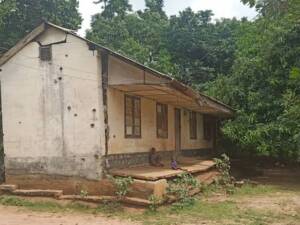
There are places in history that define the conscience of a nation. The Uzuakoli Leprosy Centre in Bende Local Government Area of Abia State is one of such places. Once celebrated across Africa as a pioneering medical and humanitarian institution, the centre today stands in painful neglect, abandoned structures, collapsing wards, poor access to healthcare, darkness, hunger, and hopelessness now define a facility that once restored dignity to thousands rejected by society.
Founded in 1932 by the Methodist Missionary Society and local authorities, the Uzuakoli Leprosy Settlement became one of the most important leprosy treatment and research centres in Africa. It served as a refuge for patients from across Eastern Nigeria and contributed immensely to global breakthroughs in leprosy treatment, including research into dapsone and clofazimine therapies.
For decades, Uzuakoli was more than a hospital. It was a community of healing, rehabilitation, education, vocational training, and hope. It stood as proof that even the most stigmatised members of society deserved care, compassion, and dignity. But today, that legacy is fading before our eyes.
Recent reports from the centre reveal heartbreaking realities. Buildings have deteriorated into ruins, the electricity infrastructure has collapsed, the water supply is inadequate, workshops are abandoned, and many inmates struggle daily for survival.
The silence surrounding this tragedy is both disturbing and shameful.
The decay of the Uzuakoli Leprosy Centre is not merely an infrastructural failure; it is a moral failure. A society is judged by how it treats its weakest and most vulnerable citizens. The inmates and residents of the centre are Nigerians who deserve the same rights to healthcare, shelter, education, and dignity as every other citizen. Their condition should prick the conscience of the government at all levels.
Successive administrations must accept responsibility for allowing such an iconic institution to deteriorate to this level. While government officials often speak of healthcare reforms and social inclusion, the reality at Uzuakoli exposes the huge gap between policy pronouncements and practical commitment. Neglecting a historic medical institution of this importance sends the wrong message about national priorities.
The Federal Government, the Abia State Government, donor agencies, the private sector, religious organisations, and public-spirited Nigerians must urgently collaborate to rescue the centre from total collapse.
Rehabilitation should go beyond cosmetic renovations. There is a need for comprehensive redevelopment that includes modern healthcare facilities, stable electricity, clean water, staff welfare, vocational centres, research units, and social support systems for residents.
Importantly, the centre should be preserved as both a medical institution and a historical monument. Nations that value their history preserve institutions that shaped humanity’s progress.
Uzuakoli occupies a significant place in global leprosy research history and should attract local and international recognition, medical tourism, and scholarly interest rather than abandonment.
The reported plan by the Abia State Government to transform the facility into an infectious disease hospital is commendable, but promises must quickly translate into visible action.
The people have heard enough assurances over the years. What they need now are bulldozers on site, reconstruction projects, medical personnel, social intervention programmes, and renewed hope.
Beyond infrastructure, society must also confront the lingering stigma associated with leprosy. Though medical advancements have made the disease curable, many survivors still suffer rejection, discrimination, and isolation.
Public enlightenment campaigns are necessary to promote acceptance, compassion, and inclusion.
Nigeria cannot continue to celebrate its past achievements while abandoning the institutions that produced them. The Uzuakoli Leprosy Centre is not just a forgotten settlement in rural Abia; it is a symbol of resilience, sacrifice, medical history, and human dignity.
Allowing it to die would amount to erasing a vital chapter of our national story.
The time to act is now. History will not be kind to leaders and citizens who watched silently while one of Africa’s most historic medical centres crumbled into ruins.



Methodist Men’s Fellowship President, Dele Taiwo, congratulates youngest female SAN, Adekunle
Stanley Ihedigbo President of the Methodist Church Nigeria West Zone Men’s F…