

EDITORIAL: If fuel is cheaper in Nigeria, why are you still in the UK?

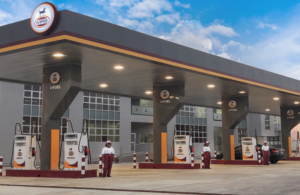
The debate over the cost of petrol in Nigeria has taken another interesting turn, with Nigerians at home and abroad offering sharply different perspectives on what constitutes affordability and a better quality of life.
A Nigerian living in the United Kingdom recently argued that Nigerians should stop complaining about the cost of petrol, insisting that fuel is cheaper in Nigeria than what motorists pay in the UK.
According to him, Nigerians should appreciate the present government for the prevailing fuel prices.
That argument, however, raises another question: If Nigeria currently offers cheaper petrol, why did many Nigerians sell properties, leave businesses and relocate abroad in search of better opportunities?
A Nigerian responding to the argument put it more bluntly: if life is now significantly better and fuel is cheaper at home, why remain in the United Kingdom?
The response captures the complexity of comparing living costs between Nigeria and the UK.
The price of petrol is only one component of the cost of living. Income levels, housing costs, transportation, electricity, healthcare, taxation, employment opportunities, security, public services and purchasing power all influence how affordable life is for individuals and families.
It is, therefore, simplistic to determine whether people are better off merely by comparing the price of a litre of petrol in two countries.
A Nigerian earning a British salary and paying British prices may experience the cost of living differently from a Nigerian earning a naira salary in Nigeria. Similarly, a person who owns property or operates a business in Nigeria may have entirely different financial circumstances from someone who migrated abroad and started afresh.
Nevertheless, there is a legitimate lesson in the argument.
Those who live abroad and regularly criticise Nigeria should also acknowledge the progress, opportunities and advantages that remain available in the country. Conversely,
Nigerians at home should not dismiss the genuine economic pressures faced by citizens living abroad simply because certain commodities may be cheaper in Nigeria.
The fuel-price debate should therefore go beyond political loyalty or partisan arguments.
The more important question is whether Nigerians can earn enough income to afford essential goods and services without sacrificing their basic standard of living.
The Government deserves recognition where policies produce tangible improvements. But citizens also have the right to question policies that affect their livelihoods.
Appreciation of government should not mean abandoning legitimate criticism, just as criticism should not mean ignoring genuine progress.
And to the Nigerian abroad who says petrol is cheaper at home, the response from those at home is simple and perhaps deliberately provocative:
“Baba, if everything is now better and cheaper here, come back home and join us.”
It is a humorous response, but beneath the humour lies a serious national question: What can Nigeria do to make its citizens not merely admire cheaper petrol, but also choose to build their lives, careers and businesses at home?
That is the real conversation Nigeria needs.





Delta has lost a distinguished statesman, compassionate leader — Ebie mourns Uduaghan
Chairman of the Governing Board of the Niger Delta Development Commission (N…