

Gratitude for God as Creator

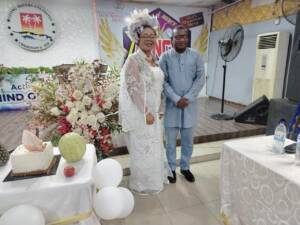
THYROIDISM AWARENESS AND SUPPORT INITIATIVE (TASI) THANKSGIVING 2025 MESSAGE BY REV. STANLEY IHEDIGBO, AT UNLIMITED LIVING WATER CHURCH, ISOLO, LAGOS
TEXT: Psalm 95:6
“O come, let us worship and bow down; let us kneel before the LORD our Maker!”
THEME: Gratitude for God as Creator
INTRODUCTION
We thank God who has kept us, guided us, and shown us mercy beyond measure, and for this, we return all glory to Him.
Gratitude is the quality or feeling of being thankful and showing appreciation for the kindness, blessings, or benefits one has received. It goes beyond simply saying “thank you”; it involves recognizing and valuing the good things in life, whether they come from other people, circumstances, or a higher power.
In Hebrew language, the concept of gratitude is expressed with words that convey thankfulness, praise, and acknowledgment.
The Hebrew language often ties gratitude closely to thanksgiving to God.
THE WORDS IN HEBREW AND THEIR MEANINGS
תּוֹדָה (Todah)
Pronunciation: toh-DAH
Meaning: Thank you; thanksgiving; acknowledgment; praise.
It is commonly used to express thanks to a person or God. For example, saying “Todah” simply means “Thank you.” In the Scriptures, it often implies thanksgiving as a form of worship.
Psalm 100:4 – “Enter His gates with thanksgiving (Todah), and His courts with praise.”
הוֹדוּ (Hodu)
Pronunciation: HO-du
Meaning: Give thanks or praise.
It appears in the Psalms and other passages, urging people to give thanks publicly and joyfully.
Psalm 107:1 – “Give thanks (Hodu) to the LORD, for He is good; His love endures forever.”
רוּחַ תּוֹדָה (Ruach Todah)
Pronunciation: roo-AKH to-DAH
Meaning: Spirit of gratitude; a thankful heart.
It describes an attitude or mindset of continuous thankfulness, not just a single act.
בָּרַךְ (Barak)
Literally “to bless,” often used in connection with expressing thanks or giving blessing to God.
הַלְלוּיָהּ (Hallelujah)
Literally “Praise Yah” (the Lord), frequently used as an expression of gratitude and worship.
BACKGROUND TO THE TEXT
Psalm 95 is a psalm of David (traditionally attributed to him), classified among the psalms of praise and exhortation. It is a call to worship, inviting God’s people to approach Him with reverence, humility, and thanksgiving.
The psalm is part of the Book of Psalms, which is central to Israel’s worship, prayer, and reflection on God’s character and deeds.
It reflects ancient Israel’s worship practices, including singing, praising, and bowing in God’s presence. Bowing and kneeling were common postures of reverence and submission to God.
This psalm likely functioned as a corporate worship song in the Temple, reminding the people of God’s sovereignty and their dependence on Him.
Psalm 95 has two main sections:
1. Verses 1–5: A joyful call to sing and shout to God, the Creator of all things.
2. Verses 6–11: A warning not to harden the heart, encouraging obedience and faithfulness, referencing Israel’s rebellion in the wilderness (Exodus 17; Numbers 14).
Verse 6 falls in the transition from joyful praise to humble submission, emphasizing the proper attitude of worship: not just singing, but bowing in recognition of God as Creator.
Acknowledgment of God as Creator: Worship begins with recognizing God as the One who made us and all things.
Humility and Reverence: Bowing and kneeling symbolize submission and surrender.
Call to Active Worship: Psalm 95:6 invites believers to approach God intentionally, physically, and spiritually—with both heart and body engaged.
Connection to Obedience: True worship leads to trust and obedience, as the psalm warns against hardening the heart like the Israelites did in the wilderness.
EXEGESIS
“O come” – A call to action, urging the congregation to approach God collectively. It is an invitation, not a suggestion, emphasizing active participation in worship.
“Let us worship and bow down”
The Hebrew word for “worship” (shachah) literally means to bow, prostrate, or show homage, indicating humility and submission.
“Let us kneel” -Reinforces the act of submission, showing physical and spiritual reverence to God.
“Before the LORD our Maker”
Identifies God as Creator, highlighting His authority and our dependence on Him. Worship is rooted in acknowledging His sovereignty and creative power.
The reference to God as “Maker” echoes Israel’s experience in the wilderness, reminding them of God’s provision and authority during their journey (Exodus 17; Numbers 14).
ILLUSTRATION
Abraham (Genesis 17:3)
When God appeared to Abraham, “Abram fell on his face, and God talked with him…”
This act is a form of bowing or kneeling, just as Psalm 95:6 instructs—an expression of humility and submission.
Moses on Mount Sinai (Exodus 34:8)
Moses bowed toward the earth and worshiped God after receiving the Ten Commandments—a sign of awe and gratitude.
Daniel (Daniel 6:10)
Daniel knelt three times a day to pray to God, acknowledging Him as sovereign even under threat of persecution—a living example of Psalm 95:6.
The Woman with the Alabaster Box (Luke 7:37–38)
She bowed at Jesus’ feet, washed them with her tears, and anointed them—demonstrating deep humility, reverence, and gratitude.
The Wise Men (Matthew 2:11)
They fell down and worshiped the newborn King, offering Him gifts.
The 24 Elders (Revelation 4:10)
They fall down before God, casting their crowns—showing full submission, praise, and acknowledgment of God as Creator and King.
APPLICATION
As individuals: We should bow our hearts, submit our will, and walk in gratitude.
As the body of Christ: We should worship in unity, reverence, and truth, becoming a light to the world.
As a people or nation: We should return to godly values, humble leadership, and collective repentance.
CONCLUSION: A people who kneel before God cannot fall before any enemy.
A church that bows before God will stand strong in a shaking world.
A nation that honours God will enjoy peace, stability, and divine direction.
Therefore, let us come—individually, as a church, and as a nation—and bow down in worship. Let us kneel before the Lord our Maker, giving Him the honour He alone deserves.
May our lives, our worship, and our nation reflect hearts truly surrendered to Him.


2027: Nigerians must find right person to defeat Tinubu — Babachir Lawal
Michael Olumide As political activities ahead of the 2027 general elections begin to gathe…