

Beyond excuses: Ohafia demands accountability from its elected representative

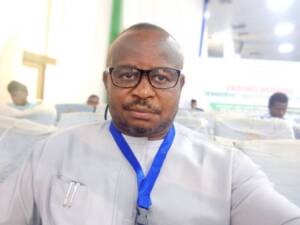
Nkem Ukaegbu, Umuahia
Beyond excuses and political rhetoric, the people of Ohafia, in Abia State are increasingly raising their voices in demand for accountability from their elected representative, as frustration grows over perceived underperformance and missed development opportunities.
According to the Ebem Ohafia-born Civil Society Advocate and Human Rights Activist, Comrade Nelson Nnanna Nwafor, instead, it has become emblematic of missed opportunities, unmet expectations, and a widening disconnect between representation and responsibility.
The failure of Ohafia’s elected representative is not merely political; it is developmental, moral, and generational.
When the current representative assumed office, expectations were understandably high. Ohafia voters did not ask for miracles.
They demanded effective advocacy, visibility, inclusion, and measurable progress.
In a democracy, representation is not ceremonial; it is functional. It requires translating legislative access into tangible outcomes—improved infrastructure, empowerment programmes, policy influence, and strategic positioning of the constituency within state and national development frameworks.
Regrettably, this translation has not occurred.
Development is not measured by press statements, political slogans, or occasional motions on the floor of parliament. It is measured by visible and lasting impact, including; quality and accessible road infrastructure, functional schools and healthcare centres, youth employment and skills acquisition opportunities.
Economic stimulation through federal and state-backed projects. Sustained institutional interventions, on these critical indices, Ohafia’s progress has been largely underwhelming.
Communities continued to grapple with deteriorating infrastructure, youth unemployment remains alarming, and the constituency lacks any defining legacy project clearly attributable to purposeful representation.
What has emerged instead is reactive politics—visibility during election cycles, reassurances without follow-through, and public relations substituted for performance.
Perhaps the most damaging shortfall is not merely the absence of projects, but the absence of strong and consistent advocacy.
An elected representative is expected to be the loud, persistent, and strategic voice of the constituency—especially during budgetary processes, policy debates, and national discussions that directly affect local realities.
In the allocation of federal projects, in security and youth inclusion conversations, in education and healthcare interventions.
In economic empowerment and social protection programmes. Yet, too often, the constituency has felt invisible—treated as an afterthought rather than a priority.
Ironically, Ohafia’s greatest strength lies in its people. The constituency is home to educated professionals, entrepreneurs, vibrant traditional institutions, and a politically aware youth population. Civil society engagement, community development initiatives, and intellectual discourse continue to thrive—largely independent of political leadership.
This presents a painful contradiction: a politically advanced constituency constrained by underperforming representation.
As 2027 approaches, Ohafia must confront a hard truth. Elections are not rituals; they are instruments of accountability.
Democracy provides room for correction—not through anger, but through informed and deliberate choice.
Did the representative expand Ohafia’s opportunities or diminish them? Can the constituency afford continuity without performance? This moment demands more than criticism; it demands civic awakening.
Ohafia must insist on, clear scorecards of representation, open debates and sustained constituency engagement youth and women inclusion in political decision-making.
Representation must be earned continuously, not assumed permanently.
Ohafia is not doomed; it is delayed. The constituency’s future still holds promise, but only if lessons are learned from this lost opportunity. Leadership is not about occupying office—it is about creating impact.
As 2027 draws near, Ohafia must choose between nostalgia and necessity, between excuses and excellence. History will not be kind to indifference—but it will reward courage.


Excitement as Akwa Ibom people await presidential visitors
By Solomon Essiet Other things being equal, His Excellency, President Bola Ahmed Ti…