

African liberation day celebration in Grenada: Agadagbas’ role in African identity preservation

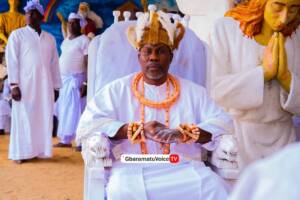
By Asiayei Enaibo
As the world gathers to celebrate African Liberation Day, one thing that has remained vital in the African world is African identity — language, culture, food, dance, songs, performativity, orality, and all the values that define African Liberation Day.
Africans all over the world showcase the diversity of their cultures through beautiful activities and colourful displays that depict their ancestral homes and values. It is on this note that the Pere of the ancient Gbaramatu Kingdom, alongside other revered monarchs, travelled to Grenada to celebrate African Liberation Day — a day when Africans from various kingdoms, communities, and cultural backgrounds celebrate oneness, pride, values, and the true essence of Africa.
Yes, the reflective words of David Diop, the African poet, come to mind:
“Africa my Africa
Africa of proud warriors in ancestral savannahs
Africa of whom my grandmother sings
On the banks of the distant river…”
The enduring strength and courage of African values and identity cannot be suppressed.
Yes, Africans need a Liberation Day — a liberation where Africans will stand firm in practising their beliefs and worship; a liberation where Africans will boldly pour libations to their ancestors in appreciation and reverence.
“These are the laws that shaped the existence of Aziza, Father Igologolo, the principles of Biniebi Amadinor, and the creed of Egbesu. Tompolo carried this as a divine message to his generation.
The fundamentals of law are the natural laws that govern the seen and unseen forces of nature within the human circles of birth and death, ethics, values, and customs of our beliefs, and the laws that define the uprightness of the developmental chain of human existence as universal elements.
The birth of Tompolo is a divine law written in the book of Aziza to exist in human form in his current incarnation,” Enaibo stated.
African Day celebration is beyond dance; it is a practical expression of belief and faith. Our roots must first be identified through the meaning of our consciousness, dignity, and pride, proving that Africa cannot be downgraded by the social commentaries of advocates of white supremacy.
Our oral tradition is a systematic culture rooted in our stages of evolution.
African Liberation Day is a day for Tompolo because Tompolo and the Agadagbas are the moving forces of African Liberation Day.
They are the carriers of the footprints of our ancestors — our original roots. They speak about Africa and African identity.
It is on this note that they all travelled to Grenada to celebrate moments of value, heritage, identity, the voices of the gods, the dances, the languages, and the food — all of which represent the true essence of African Liberation Day. They tell stories of the roots we once lost but regained with full consciousness, reconnecting with other Africans retracing their steps back home. Africans must return to their heritage and move away from borrowed and imposed cultures of the Western world.
What stops us from offering thanksgiving in our ancestral shrines? Only a few are proud, while others secretly visit the shrines that bless them but hide during the daytime. Africans must be proud of their roots and promote what they have.
Yes, the Agadagbas are custodians of the great Egbesu deity, joining others in faith while learning and promoting the ways of Africa. It is the trust, hope, self-awareness, and consciousness of a new Africa that continue to project African beliefs to the world.
As one deeply rooted in African oral literature and the Osobor origin in Gbaramatu Kingdom, where the gods have blessed the land, Amaseikumor has blessed the people.
The Pere is therefore a clear example in the celebration of African Day, and my cultural chronicle in GbaramatuVoice is a testament to this tour.
Amaseikumor bears the face of African identity in Ijaw land.
The people of Gbaramatu Kingdom celebrate Amaseikumor, Gbaraun Egbesu Ibolomoboere, a sacred festival where people from different parts of the world gather every April to reflect on the spiritual and cultural unity of their lives, the peace within the land, and the development that comes through the worship of Amaseikumor.
Yes, Amaseikumor is the face of African identity in Ijaw land. The festival attracts tourists, cultural enthusiasts, and worshippers who gather yearly to count their blessings after every celebration.
Seek ye Amaseikumor, for good things should not go bad in our land. Let your lips testify to the purity of the heart you carry.
“Amaseikumor miebi-ama.”
Agadagba, the paramount ruler of the ancient Gbaramatu Kingdom — Oboro Gbaraun II, Aketekpe Agadagba Amatekpokiritegha — is the custodian of the pristine traditions of the Ijaw people in Gbaramatu Kingdom. Over the years, Agadagba and his subjects have demonstrated African identity to the global community.
Agadagba represents the true image of Ijaw beliefs in the collective preservation of heritage once lost and now regained.
Tompolo and other ancient Agadagbas from Ijaw kingdoms have stood firm in preserving African identity, culture, and faith. This year, 2026, Agadagba and others travelled to Grenada to identify, preserve, and promote values passed from one generation to another.
The theme, “African Identity,” in Grenada reflects the values long preserved by the ancient Gbaramatu Kingdom, Tompolo, Aketekpe, and other kings.
The dancers and drummers, who have preserved the talking sounds that amplify traditional oral voices, have stood firm in protecting our heritage. Today, their tour is a clear dramatization of African heritage presented by these people. From time immemorial, the Ijaws have remained a true portrayal of JP Clark’s Ozidi Saga, an epic story that tells the journey of the Ijaw people in preserving their identity.
Today, it is evident that they travelled with Precilia, a remarkable female masquerade dancer. She has taken Ijaw cultural heritage to another level through the phenomenon of female masquerade performances, unmasked as a unique cultural expression involving both men and women — a dance performance where she uses her legs to tell stories.
Yes, these men and women travelled to Grenada with a unique purpose that defines our heritage.
As the talking drum of the Niger Delta, I celebrate them for preserving this cultural heritage through the ringing bell of Father Igologolo, the custodians who opened our eyes to the lost and regained glory of African identity.
As a writer, poet, and storyteller, I join in the celebration and wish them well as they continue to preserve African identity, cultural heritage, values, ethics, traditions, and ancestral worship that have protected and blessed us beyond words.
His Royal Majesty, Oboro Gbaraun II, Aketekpe Agadagba, Pere of the Ancient Gbaramatu Kingdom, led the African Liberation Day tour to Grenada in 2026 in the company of esteemed monarchs from Bayelsa, Ondo, Edo, and Delta states.
Among the monarchs present were the Pere of Olodiama Kingdom, Edo State; the Pere of Gbanraun Kingdom, Egbesuwei X, Southern Ijaw, Bayelsa State; the Perekere of Oporomor Kingdom, Bayelsa State; the Pere of Furupagha Kingdom; the Pere of Tubutoru Kingdom, Ondo State; and the Pere of Kabowei Kingdom, Delta State. Also present was the founder of Esther Matthew Tonlagha (EMT), Amb. Dr. Esther Matthew Tonlagha, alongside chiefs in the royal entourage, all of whom joined in celebrating African Liberation Day and promoting African identity and heritage.
Agadagba is the high priest of the supreme Egbesu deity. He travelled with the drums, the dancers, the high priests, and the high priestesses to tell the world that Africans are deeply committed to preserving their heritage as Ijaw people and to sustaining the beliefs of their faith while standing firmly on ancestral foundations of undiluted faith, peace, and development for communities across the Niger Delta region and Nigeria at large.
Enaibo, The Cultural Journalist, Writes from GbaramatuVoice


Excitement as Akwa Ibom people await presidential visitors
By Solomon Essiet Other things being equal, His Excellency, President Bola Ahmed Ti…
