

Power, proximity, recognition: Inside Salt Summit 2026

By Caleb Ohaeri
In a city like Lagos, influence is rarely accidental. It is constructed, strategically positioned, and, perhaps most importantly, recognised.
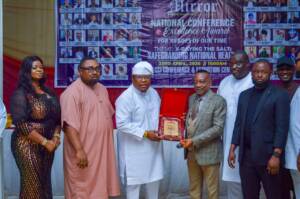
The recently concluded Salt Summit & Heroes Recognition 2026, held at the Lagos Chamber of Commerce and Industry (LCCI) Conference & Exhibition Centre in Alausa, Ikeja, convened a cross-section of leaders, professionals, and institutional actors whose work continues to shape systems across sectors.
On the surface, it was an awards event. But beneath that layer, it offered a revealing glimpse into how power operates in contemporary Nigeria.
Events like the Salt Summit are no longer merely ceremonial. They are integral to a growing visibility economy, one where recognition translates into credibility, and credibility, in turn, unlocks influence.
In Lagos, where competition for attention is fierce, presence in the right room matters. The Summit provided a platform where individuals who often operate behind the scenes were brought into the spotlight.
This shift is significant. It signals that influence is no longer the preserve of public figures alone, but increasingly includes those shaping outcomes within institutions, quiet drivers of impact whose work rarely trends but consistently delivers.
The Networking Layer Most People Miss
While many view such gatherings as social engagements, their real value lies in proximity.
The Salt Summit functioned as a convergence point for decision-makers across government, corporate organisations, and private enterprises.
These interactions are not always visible, but they are deeply consequential. Conversations in such spaces often evolve into partnerships, opportunities, and strategic alignments.
In a city like Lagos, access is currency—and events like this discreetly facilitate that exchange.
Another critical layer is the role of the media. By curating and amplifying certain stories, platforms like The Mirror Newspapers are not merely documenting events, they are actively shaping narratives.
Who gets recognised, how their stories are framed, and the audience they reach all contribute to a broader architecture of influence.
In this sense, the media is not just an observer; it is a participant in the distribution of power.
Perhaps the most compelling takeaway from the Summit is the evolving definition of leadership. The emphasis on “heroes” reflects a shift from loud visibility to quiet impact, towards those who build, sustain, and influence systems without constant public attention.
It suggests a more mature valuation of leadership: one that prioritises substance over spectacle, and results over rhetoric.
What This Means Going Forward
For professionals, entrepreneurs, and aspiring leaders, the lesson is clear: influence is not solely about what you do—it is also about how, where, and by whom it is recognised.
In Lagos, platforms like the Salt Summit are becoming critical intersections where work meets visibility, and visibility meets opportunity.
Understanding this delicate balance between effort, exposure, and environment may well determine who remains unseen and who rises to influence.





Ortom rejects ₦139bn probe report, accuses Alia of executive rascality
Henry Iyorkase, Makurdi Former Governor of Benue State, Chief Samuel Ortom, has dismissed …