

How Governor Fintiri is transforming Adamawa through culture, development, youth engagement

Aaron Anthony (YolyBoy), Entertainment/Society Editor
In the life of every state, there are defining moments, periods marked by struggle, patience, and eventually renewal. Many residents of Adamawa State say they are currently witnessing such a moment of renewal.
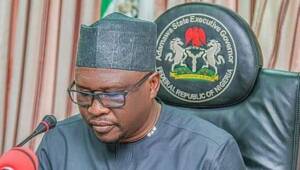
For the first time in many years, since the era of Boni Haruna, citizens across Adamawa say they are experiencing what they describe as a renewed wave of purposeful governance under Governor Ahmadu Umaru Fintiri.
Across markets, university campuses, music studios, and motor parks, conversations often carry a similar tone: something is changing in Adamawa.
Observers note that the transformation being discussed goes beyond visible infrastructure. It reflects a broader shift in identity, confidence, and a sense that the state is rediscovering its voice.
One of the most surprising developments, residents say, has been the increasing attention given to Adamawa’s entertainment and creative sector.
For decades, young creatives in the state worked with little institutional support. Musicians recorded songs without platforms, filmmakers struggled to fund productions, and content creators operated largely without recognition. Many dreams quietly faded due to a lack of visibility and opportunity.
However, recent efforts by the state government to engage the creative industry have begun to change that narrative. The state has hosted several prominent Nigerian music stars, including Davido, Spyro, Rudeboy, and Ruger.
Beyond entertainment value, these visits have sent a symbolic message to emerging creatives: that Adamawa is beginning to recognise and celebrate its own talents.
For artists such as YolyBoy and many other rising Northern entertainers, that recognition represents opportunity and validation. It signals that dreams nurtured in Yola can reach national and global audiences.
A major cultural milestone came when Davido selected Yola as the only Northern stop during his “Five Alive” tour.
The decision surprised many observers, but industry insiders believe it reflected growing confidence in the state’s security situation and its increasing openness to youth and cultural engagement.
The successful hosting of such an event demonstrated that Northern Nigeria could stage large-scale entertainment gatherings peacefully and successfully.
For many young residents who had grown up hearing negative portrayals of the region, the event became a moment of pride. Seeing international-level performers on Adamawa soil helped reshape perceptions about the state and its potential.
Beyond cultural initiatives, residents point to improvements in other sectors that directly affect daily life.
In the education sector, the government has embarked on the renovation of schools, improvement of learning facilities, and other initiatives aimed at strengthening the quality of education in the state.
Similarly, youth and women empowerment programmes have expanded, offering skills training, entrepreneurship support, and small-scale business assistance designed to stimulate economic participation.
Transportation initiatives aimed at easing mobility and reducing travel costs have also provided relief to workers, traders, and students who depend on daily commuting.
For many families, these policies translate into tangible improvements. Reduced transport costs help students reach school more easily. Empowerment initiatives enable women to support their households. Improved education facilities help secure opportunities for future generations.
Development experts often emphasise that economic growth cannot occur without safety and accessible infrastructure.
Residents acknowledge that improvements in security coordination and infrastructure projects such as road construction, urban renewal efforts, and public facilities are creating conditions that encourage business activity and investment.
These developments also make it easier for Adamawa to attract national attention through cultural events, economic engagements, and tourism opportunities.
The Emotional Impact of Leadership
While policy outcomes are often measured through statistics, many residents say the most significant change is psychological.
Across the state, young people increasingly speak about Adamawa with pride and optimism. Creatives feel more visible, entrepreneurs express greater confidence, and communities report a renewed sense of hope.
This emotional shift is important. When citizens believe in the future of their state, they are more likely to invest in it, whether through businesses, innovation, or civic participation.
Despite the positive momentum, observers agree that challenges remain.
Issues such as unemployment, rural development gaps, healthcare improvement, and expanded infrastructure still require sustained attention.
Many residents, therefore, hope the current momentum will translate into long-term policies that institutionalise support for creatives, strengthen empowerment programmes, and maintain transparency in governance.
Citizens also recognise their own role in sustaining development by supporting local businesses, mentoring younger generations, paying taxes, and contributing to community safety.
The evolving experience in Adamawa offers a broader lesson for other states across Nigeria.
When governments invest in education, engage youth, support creative industries, and strengthen infrastructure, the public image and economic prospects of a state can change rapidly.
Development, analysts say, is not defined solely by large-scale projects but also by policies that protect human dignity and create opportunities for citizens.
History often judges leaders not only by the offices they hold but by the impact they leave behind.
If the current trajectory continues, many believe future generations may look back on this period as a turning point when Adamawa rediscovered its confidence, creativity, and collective ambition under Governor Ahmadu Umaru Fintiri.
For many residents, the message is simple: when the government begins to notice its people, the people begin to believe again.




Lagos operatives rescue newborn with umbilical cord still attached from Agboju shanties
Fasesin Emmanuel A multi-agency enforcement operation in Lagos…