

UNILAG, Cambridge, LAMATA partner to tackle rising heat threat in Lagos

Jeremiah Adeshina
As climate change continues to intensify extreme weather conditions across the globe, experts have launched a major initiative aimed at protecting millions of Lagos residents from the growing dangers of extreme heat through scientific research, sustainable urban planning and solutions-focused journalism.
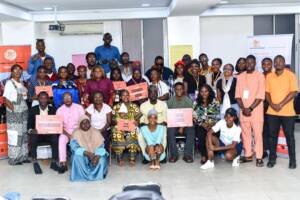
The initiative, known as the Hotsteppers Project, was unveiled alongside a three-day capacity-building workshop for journalists designed to strengthen media reporting on extreme heat, public health and climate adaptation.
The project brings together researchers and development partners from the University of Lagos (UNILAG), the University of Cambridge, UrbanBetter, the Lagos Metropolitan Area Transport Authority (LAMATA) and other organisations committed to tackling one of the fastest-growing but least recognised climate threats affecting urban populations.
The programme seeks to generate practical solutions that will help Lagos become more resilient to rising temperatures while reducing heat-related illnesses and deaths among vulnerable populations.
Speaking during the media training, organisers explained that the Hotsteppers Project is a three-year multidisciplinary research programme that will investigate how extreme heat affects the health, mobility and everyday lives of Lagos residents.
The research will examine the impact of prolonged exposure to high temperatures on commuters, outdoor workers, children, the elderly, pregnant women and people living with existing medical conditions.
According to the experts, the findings will provide policymakers with evidence needed to design effective interventions capable of reducing heat exposure, strengthening public health systems and improving urban resilience.
Unlike floods and coastal erosion, which often leave visible destruction, experts described extreme heat as a “silent” climate hazard because many of its health consequences occur gradually and often go unnoticed until they become severe.
Medical specialists at the workshop warned that prolonged exposure to excessive heat significantly increases the risk of dehydration, heat exhaustion, heatstroke, respiratory illnesses and cardiovascular complications.
They stressed that with climate change increasing the frequency and intensity of heatwaves worldwide, cities like Lagos must begin preparing now before the health impacts become even more severe.
The experts also highlighted the role of rapid urbanisation in worsening heat exposure across Lagos.
According to them, expanding concrete developments, inadequate green spaces, heavy traffic congestion, limited tree cover and poor urban planning have intensified the urban heat island effect, making many parts of the city considerably hotter than surrounding areas.
Recognising that millions of Lagos residents spend long hours travelling daily, the project places transportation and mobility at the centre of its research.
Working closely with LAMATA and other stakeholders, researchers will assess how commuters experience heat while walking to transport terminals, waiting for buses and travelling across the metropolis.
The research is expected to inform improvements in transport infrastructure, commuter facilities and urban planning that minimise residents’ exposure to dangerous temperatures.
Beyond scientific investigation, organisers said the project attaches equal importance to public communication.
They noted that research findings must be translated into practical information that ordinary citizens can understand and apply in their daily lives if climate adaptation efforts are to achieve meaningful results.
To support this objective, journalists from various media organisations participated in an intensive three-day training programme focused on evidence-based and solutions-oriented climate reporting.
Participants were encouraged to move beyond simply highlighting the impacts of climate change by producing stories that examine practical solutions, evaluate existing interventions and hold policymakers accountable for implementing effective adaptation measures.
The workshop featured sessions on the science of extreme heat, heat-related health risks, urban resilience, climate communication, data-driven journalism, ethical reporting and the effective interpretation of scientific research.
Facilitators also examined the links between rising temperatures, air quality, transportation systems, housing, land use and public health.
They stressed that the media has a critical responsibility in helping residents recognise the symptoms of heat-related illnesses, adopt preventive measures and demand stronger government action to address climate risks.
According to the organisers, informed journalism can significantly contribute to reducing heat-related illnesses by ensuring that communities receive timely, accurate and actionable information.
The Hotsteppers Project also seeks to identify practical interventions capable of protecting vulnerable communities across Lagos.
Among the proposed solutions are expanding urban green spaces, increasing tree planting, improving access to shaded public areas and transport corridors, strengthening heat early-warning systems, promoting climate-responsive urban design and supporting policies that place public health at the centre of climate adaptation planning.
By combining scientific research, public health expertise, sustainable transport planning and responsible journalism, the initiative aims to ensure that evidence generated over the next three years leads to measurable improvements in how Lagos prepares for and responds to extreme heat.
Experts at the event agreed that proactive planning is now essential as climate change continues to increase the frequency and intensity of heatwaves around the world.
They maintained that safeguarding lives will require stronger collaboration among researchers, government agencies, policymakers, journalists and local communities.
For the organisers, the message is clear: preparing for future heatwaves begins with decisive action today.
Through the Hotsteppers Project, they hope to ensure that more Lagos residents are better informed, better protected and more resilient in the face of one of the most pressing climate challenges confronting rapidly growing cities.




Back-to-School: Marketplace Mission Supports Lagos pupils with learning materials
Mercy Iheoma Ihedigbo As schools reopen for another academic session, Market…
