

When influence becomes lifesaving: Maternal health in underserved communities

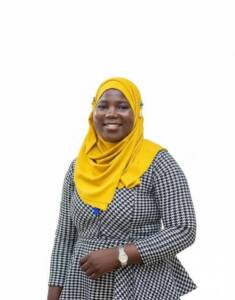
By Rabihat Omotoyosi Rabiu
In many underserved communities, pregnancy is more than a journey to motherhood; it can be a journey filled with uncertainty. For some women, the nearest health facility is miles away.
For others, the challenge is not just distance, but decisions shaped by people, beliefs, and circumstances around them. Maternal health, in these settings, is not only about medicine; it is deeply influenced by leadership, religion, and society, and sometimes, these influences can mean the difference between life and loss.
The power of leadership close to home
In communities where resources are limited, leadership often shows up in very personal ways. It is the local chairman who decides whether a primary health center gets attention, the community head who encourages families to support pregnant women, or the health advocate who goes door-to-door reminding mothers about antenatal care.
When leaders take maternal health seriously, change begins to happen. A clinic gets renovated. A midwife is assigned. A road is cleared to make access easier. These may seem like small steps, but for a pregnant woman in a rural area, they can be life-changing.
But when leadership is absent or indifferent, the silence is loud. Women are left to navigate pregnancy alone, often relying on unsafe alternatives or delaying care until it is too late. In underserved communities, leadership is not just about governance; it is about presence, responsibility, and action.
Faith as a voice of guidance
Religion is a strong and comforting presence in many communities. In times of fear or uncertainty, people turn to faith for hope and direction. For pregnant women, this influence can be incredibly powerful.
A word of encouragement from a religious leader can reassure a woman to seek care, attend clinic visits, or trust medical professionals during childbirth. Faith, when aligned with health awareness, becomes a source of strength.
However, there are moments when belief systems, often misunderstood, can unintentionally put women at risk. Some may feel pressured to rely only on prayer or delay seeking help, even when complications arise.
This is why the role of religious leaders is so important; they are not just spiritual guides, but trusted voices who can help bridge the gap between faith and safe health practices.
When faith supports action, it saves lives.
The weight of Society on Women’s choices
In underserved communities, society often shapes how women experience pregnancy. Many women do not make health decisions alone. A husband, a mother-in-law, or even the wider community may have a say in whether she seeks care.
For some, the challenge is financial. For others, it is permission. And for many, it is a lack of information. Young girls may become mothers too early, without fully understanding the risks involved.
Conversations about maternal health may be limited, leaving women to rely on tradition rather than knowledge.
Yet, within these same communities, there is also strength. Women support each other. Neighbors step in.
Community groups share information and encouragement. When society begins to value and prioritize maternal health, it creates a ripple effect—one where seeking care is no longer questioned, but expected.
Where it all comes together
In underserved communities, influence is not abstract, it is personal. Leadership, religion, and society are woven into daily life, shaping choices in quiet but powerful ways.
A government policy may exist, but it is the community leader who explains it. A health message may be shared, but it is the religious leader who reinforces it. A service may be available, but it is society that either encourages or discourages its use.
This is why improving maternal health in these communities requires more than building facilities. It requires listening, engaging, and working with the people who already hold influence. It means meeting women where they are not just physically, but culturally and socially.
Every woman deserves a safe and supported journey to motherhood, no matter where she lives. In underserved communities, achieving this goal depends not only on healthcare systems but on the people and structures that shape everyday life.
When leaders act with intention, when faith encourages informed choices, and when society supports women instead of limiting them, maternal health outcomes can change for the better.
Because sometimes, saving a mother’s life does not start in a hospital; it starts with influence.
Rabiu, Executive Director Rabihat Speaks Life Initiative (RLSI)
YALI Network Lagos Co-ordinator(2026), National Head YALI Network Nigeria (2026), Young Africa Leaders Forum (YALF) National Co-ordinator Nigeria





Brands must embrace authentic storytelling to win consumers — Verdant Zeal
Leading marketing and communications firm, Verdant Zeal Group Limited, has c…
