
Mushrooms on Christmas Menu: Healthy food choice Nigerian households can no longer ignore

Chi Tola Roberts
As families prepare for the Christmas and New Year celebrations, the Mushroom Research & Development Foundation Nigeria (MRDFN) is calling on Nigerians to embrace mushrooms as a delicious, nutritious and potentially health-supportive addition to their everyday diets.
As the Yuletide season approaches, Nigerian households are preparing for the familiar celebrations: family reunions, Christmas meals, parties, entertainment and, of course, plenty of food. But beyond the excitement of festive cooking and the abundance of delicacies, perhaps it is time to ask an important question: Are we paying enough attention to the nutritional value of what we put on our family tables?
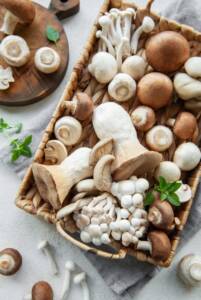
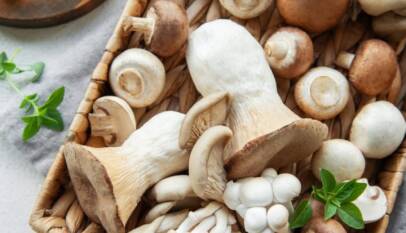
This Christmas, there is one remarkable food Nigerians should be making room for: Mushrooms!
Often overlooked or misunderstood, mushrooms are among nature’s most fascinating foods. They are flavourful, versatile, nutritious and increasingly attracting global scientific attention for their bioactive compounds and potential medicinal applications. Yet, in Nigeria, mushroom consumption remains relatively limited, with many households still regarding it as an occasional delicacy rather than an important food ingredient.
It is time to change that perception.
A little food with an impressive nutritional profile
Mushrooms offer a combination of nutritional benefits that make them an excellent addition to a balanced family diet. Depending on the species and growing conditions, edible mushrooms provide protein, dietary fibre, B vitamins, minerals and valuable bioactive compounds.
They are naturally low in calories and fat, making them an attractive option for individuals and families seeking more balanced meals without sacrificing flavour.
Mushrooms contain nutrients such as potassium, phosphorus, selenium and copper, while some varieties also provide vitamin D, particularly when exposed to appropriate ultraviolet light.
Their dietary fibre and other naturally occurring compounds make them interesting from a digestive and nutritional health perspective.
For families seeking to diversify their protein sources, mushrooms offer another valuable food option. They can complement beans, fish, eggs, meat and other protein-rich foods, helping households create more varied and interesting meals.
And here is something worth celebrating: mushrooms bring an incredible depth of flavour to food. Their natural savoury, umami taste makes them suitable for soups, stews, sauces, rice dishes, pasta, vegetable meals and even meat alternatives.
Beyond nutrition: Why the world is taking medicinal mushrooms seriously
Perhaps one of the most exciting aspects of mushrooms is the growing scientific interest in their medicinal potential.
For centuries, different mushroom species have featured in traditional health practices, particularly in Asia. Today, researchers around the world are investigating their bioactive compounds and possible applications in human health.
Some mushrooms contain beta-glucans, polysaccharides, antioxidants and other naturally occurring compounds that are being studied for their interactions with the immune system, inflammation and other biological processes.
Species such as Reishi, Shiitake, Turkey Tail, Lion’s Mane and Cordyceps have attracted considerable research interest.
For example:
– Reishi (Ganoderma lucidum): Contains bioactive compounds, including polysaccharides and triterpenes, being investigated for their potential immunological and other biological activities.
– Shiitake (Lentinula edodes): Known for its nutritional value and compounds such as lentinan, which has attracted scientific interest in immune-related research.
– Turkey Tail (Trametes versicolor): Contains polysaccharides, including compounds studied for their possible applications alongside conventional cancer treatment in certain settings.
– Lion’s Mane (Hericium erinaceus): Attracts growing research interest because of compounds being investigated for their potential relationship with nerve health and cognitive function.
– Cordyceps: Has a history of traditional use and is being studied for its potential effects on energy metabolism, exercise performance and other biological functions.
These are not merely traditional beliefs. They are areas of active scientific investigation.
However, it is important to distinguish between promising laboratory findings, early human studies and established medical treatments. Mushrooms and mushroom supplements should not be presented as cures for cancer, diabetes or other diseases, nor should they replace prescribed medication or professional medical care.
The real opportunity lies in supporting responsible research, developing quality products and making scientifically validated mushroom-based innovations accessible to society.
Why Nigerian families should embrace mushrooms this Christmas
Imagine preparing your favourite Christmas jollof rice with mushrooms added for extra flavour and texture. Imagine a rich mushroom pepper soup, mushroom vegetable sauce, mushroom-filled pastries, mushroom stir-fry or a delicious mushroom stew served alongside your favourite swallow.
Mushrooms are incredibly versatile.
They can be grilled, fried, roasted, sautéed, dried, powdered or incorporated into different food products. They can also be used to enhance the flavour of traditional Nigerian dishes.
For families looking to reduce excessive dependence on meat without compromising the enjoyment of their meals, mushrooms offer an interesting alternative ingredient.
For parents, introducing edible mushrooms into family meals is an opportunity to expand children’s food choices and encourage more diverse eating habits.
For older adults, mushrooms can contribute useful nutrients and variety to meals.
For people consciously managing their dietary choices, their naturally low-fat, low-calorie profile makes them worth considering as part of a balanced diet.
This Yuletide, rather than limiting mushrooms to an occasional restaurant experience, why not make them a regular feature of your household menu?
Eating mushrooms also supports Nigerian agriculture and job creation
There is another compelling reason Nigerians should embrace mushrooms: the economic opportunities they represent.
Mushroom cultivation is an agricultural enterprise with enormous potential for Nigeria. It can be undertaken in relatively small spaces, requires less land than many conventional agricultural activities and can utilise agricultural residues and other suitable organic materials as growing substrates.
This presents opportunities for women, young people, smallholder farmers, rural communities and aspiring agripreneurs.
Increased consumer demand will create incentives for more farmers to cultivate mushrooms, processors to develop mushroom-based products, retailers to expand distribution and investors to explore commercial mushroom production.
In other words, every Nigerian household that consciously chooses to buy mushrooms is also helping to create a market for an emerging agricultural industry.
We must begin to see mushrooms not simply as food, but as an opportunity for nutrition, enterprise, innovation and economic development.
A call to action: Make mushrooms part of your Yuletide shopping list
The Mushroom Research & Development Foundation Nigeria is encouraging households, restaurants, hotels, caterers, supermarkets, food vendors and the hospitality industry to embrace mushrooms as part of this year’s festive food culture.
We encourage consumers to ask for mushrooms when shopping, experiment with mushroom recipes, introduce them to family members and support local mushroom farmers and processors.
When purchasing mushrooms, choose properly identified, hygienically produced edible varieties from reliable suppliers. Avoid eating unidentified wild mushrooms, as some species can be poisonous.
Our vision must go beyond seasonal consumption. We want to see a Nigeria where mushrooms are readily available, affordable, understood and appreciated as part of everyday nutrition.
As we celebrate Christmas and welcome a new year, let us make choices that support not only the joy of eating but also the health, well-being and economic future of our families and communities.
This Yuletide, let mushrooms find a permanent place on your dining table. Your family deserves variety. Your body deserves good nutrition. And Nigerian farmers deserve a growing market.
Mushrooms are more than a delicacy. They are a nutritional resource, a research frontier and an agricultural opportunity whose time has come in Nigeria.
Make mushrooms a family food. Make mushrooms a Yuletide tradition
Roberts, Founder, Mushroom Research & Development Foundation Nigeria (MRDFN)




Sickness of a Nation- Part three: Nigeria health system we should build
— By The Conscience Chronicler Imagine a Nigeria in which a pregnant woman in a rur…